Explore Utonga Peninsula
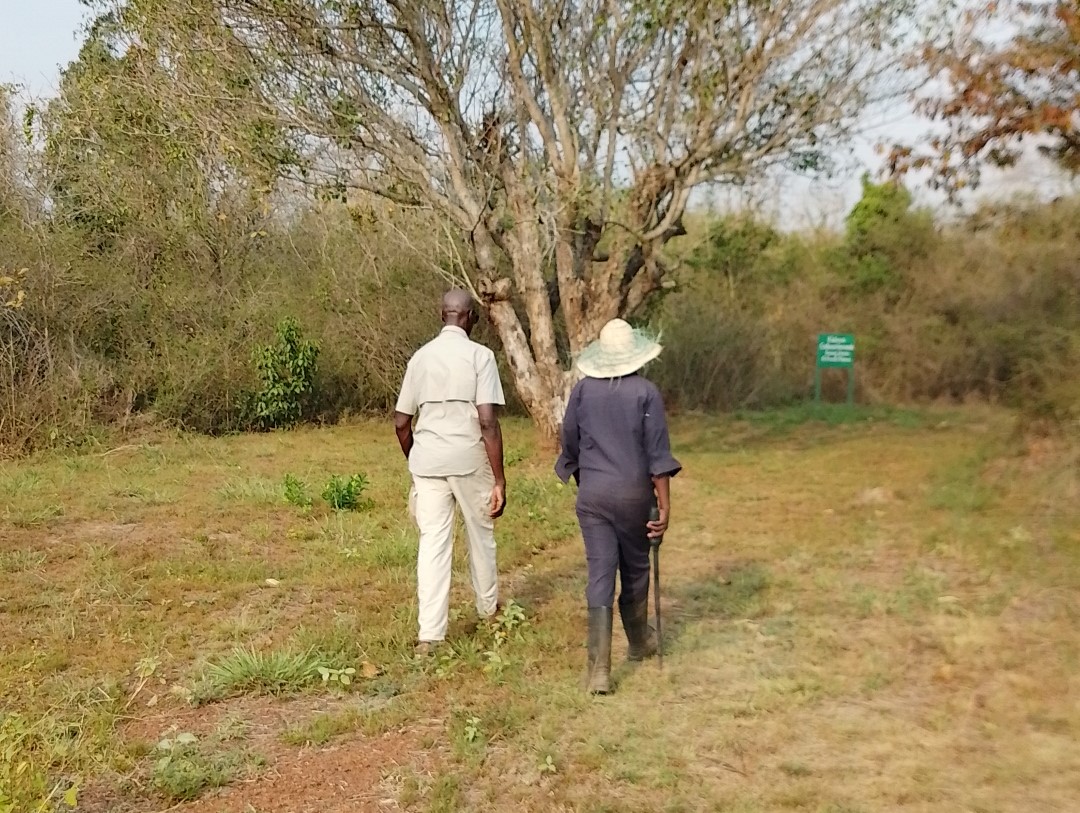
The Utonga Peninsula offers a rare opportunity to experience diverse natural ecosystems along the shores of Lake Victoria. This landscape includes indigenous forests, wetlands, and shoreline habitats that support a wide range of wildlife and plant species. The conservancy provides a tranquil environment for visitors seeking nature-based experiences rooted in conservation and education.
Wildlife and Birdlife
Utonga is particularly notable for its birdlife. Wetlands and forest edges provide feeding and nesting grounds for numerous resident and migratory bird species common to the Lake Victoria basin. These habitats also support small mammals, reptiles, amphibians, and pollinators that contribute to ecosystem health and resilience.
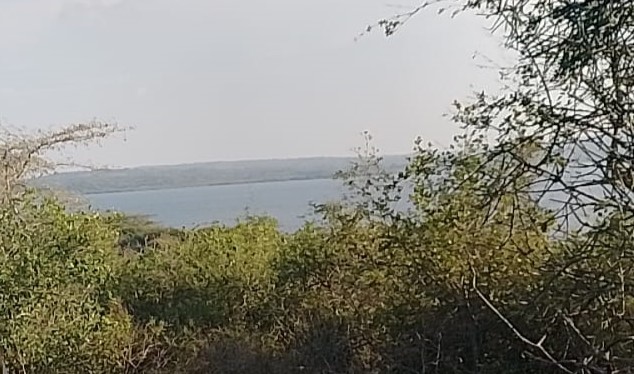
Wetlands play a critical ecological role by filtering water, regulating floods, and storing carbon. Protecting these ecosystems helps sustain fisheries, agriculture, and water quality for communities living around Lake Victoria. Guided walks and educational tours at Utonga highlight the importance of wetlands in climate adaptation and biodiversity conservation.
Eco-Tourism and Education
Eco-tourism activities at Utonga are designed to minimize environmental impact while maximizing learning opportunities. Visitors can participate in guided nature walks, birdwatching excursions, and conservation education programs. These experiences are suitable for students, researchers, and travelers interested in sustainable tourism.
By combining eco-tourism with environmental education, Utonga Nature & Wildlife Conservancy promotes responsible travel and fosters appreciation for Kenya’s natural heritage. Exploration at Utonga is not just about observing nature, but understanding its value and supporting its protection.